Exploring Creativity: Art and Writing Showcase
- Siddharth Devalla
- Jul 28
- 4 min read

Creativity is a powerful force that transcends boundaries, allowing individuals to express their thoughts, emotions, and experiences in unique ways. Whether through the strokes of a paintbrush or the flow of words on a page, art and writing serve as vital outlets for human expression. In this blog post, we will explore the intricate relationship between art and writing, showcasing how these two forms of creativity can inspire and enhance one another.
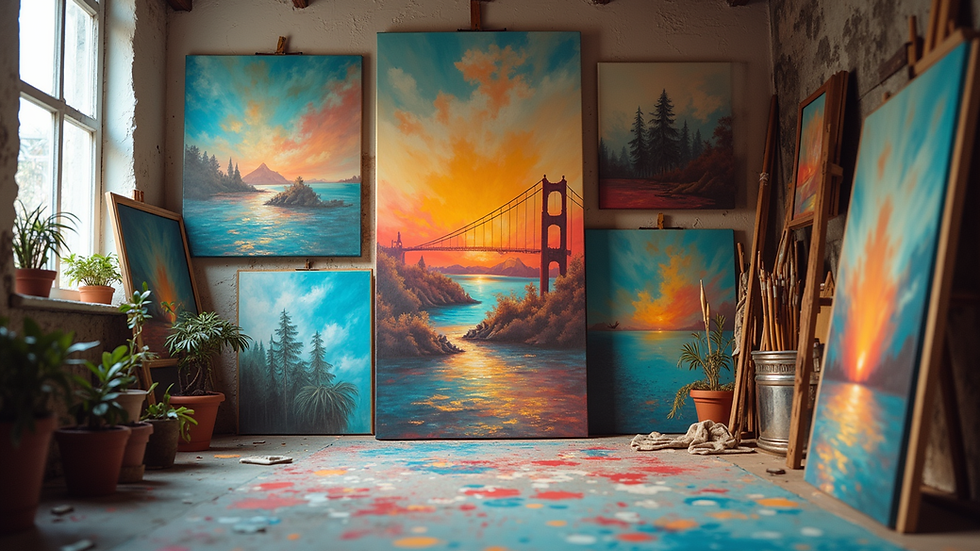
The Intersection of Art and Writing
Art and writing are often seen as distinct disciplines, yet they share a profound connection. Both require imagination, skill, and a willingness to explore the depths of human experience. Here are some ways in which art and writing intersect:
Visual Storytelling
Visual storytelling combines imagery with narrative, creating a powerful medium for communication. Artists often use their work to tell stories, conveying emotions and messages that resonate with viewers. For example, a painting depicting a serene landscape can evoke feelings of peace and tranquility, while a chaotic abstract piece might reflect inner turmoil.
Writers can also draw inspiration from visual art. A single painting can spark an entire narrative, leading to the creation of characters, settings, and plots. This interplay encourages a deeper understanding of both forms of creativity.
Poetry and Imagery
Poetry is a form of writing that thrives on imagery. Poets often use vivid descriptions to paint pictures in the minds of their readers. The use of metaphors and similes can transform ordinary experiences into extraordinary moments. For instance, a poet might describe a sunset as "a canvas brushed with hues of orange and pink," inviting readers to visualize the scene.
Conversely, artists can find inspiration in poetry. A powerful poem can serve as a muse, guiding an artist's brush or sculpting hands. This reciprocal relationship enriches both art forms, allowing for a more profound exploration of themes and emotions.
The Creative Process
Understanding the creative process is essential for both artists and writers. While each individual may have their unique approach, several common stages can be identified:
Inspiration
Inspiration is the spark that ignites creativity. It can come from various sources, including nature, personal experiences, or even the work of others. For instance, an artist might be inspired by a walk in the park, while a writer could draw from a conversation with a friend.
Exploration
Once inspired, the next step is exploration. This phase involves experimenting with different techniques, styles, and ideas. Artists might try various mediums, such as watercolor, acrylic, or charcoal, while writers may explore different genres, such as fiction, poetry, or non-fiction. This exploration is crucial for growth and development in both fields.
Creation
The creation phase is where ideas come to life. Artists begin to put brush to canvas, while writers start typing or jotting down their thoughts. This stage requires focus and dedication, as it often involves overcoming obstacles and self-doubt.
Reflection
After completing a piece, reflection is vital. Artists and writers should take the time to evaluate their work, considering what worked well and what could be improved. This process fosters growth and encourages the development of a unique style.
The Role of Community
Creativity flourishes in a supportive community. Engaging with fellow artists and writers can provide valuable feedback, encouragement, and inspiration. Here are some ways to connect with others in the creative community:
Workshops and Classes
Participating in workshops and classes can be an excellent way to hone skills and meet like-minded individuals. Many local art studios and writing centers offer classes for all skill levels, providing a space for collaboration and learning.
Online Platforms
The internet has made it easier than ever to connect with other creatives. Platforms like Instagram, Pinterest, and writing forums allow artists and writers to share their work, receive feedback, and find inspiration. Engaging with online communities can lead to new friendships and collaborations.
Local Events
Attending local art shows, poetry readings, or writing groups can help foster connections within the community. These events provide opportunities to showcase work, network with other creatives, and gain insights into different artistic approaches.
Overcoming Creative Blocks
Creative blocks are a common challenge faced by both artists and writers. These periods of stagnation can be frustrating, but there are several strategies to overcome them:
Change Your Environment
Sometimes, a change of scenery can reignite creativity. Consider working in a different location, such as a park, café, or library. New surroundings can stimulate fresh ideas and perspectives.
Set Small Goals
Breaking down larger projects into smaller, manageable tasks can help alleviate feelings of overwhelm. Setting achievable goals allows for a sense of accomplishment and encourages progress.
Seek Inspiration
When feeling stuck, seek inspiration from various sources. Visit art galleries, read books, or watch films that resonate with you. Engaging with different forms of creativity can spark new ideas and reignite passion.
The Impact of Art and Writing on Mental Health
Engaging in creative activities has been shown to have numerous benefits for mental health. Both art and writing can serve as therapeutic outlets, helping individuals process emotions and cope with stress. Here are some ways creativity can positively impact mental well-being:
Emotional Expression
Art and writing provide a safe space for individuals to express their emotions. Whether through painting, drawing, or writing, these activities allow for the exploration of feelings that may be difficult to articulate verbally.
Stress Relief
Engaging in creative activities can serve as a form of stress relief. Focusing on the creative process can help individuals escape from daily pressures and find solace in their work.
Building Resilience
Creativity fosters resilience by encouraging individuals to confront challenges and embrace vulnerability. The act of creating can build confidence and self-esteem, empowering individuals to face life's obstacles with a renewed sense of strength.
Conclusion
Art and writing are powerful forms of creativity that can inspire, heal, and connect individuals. By exploring the intersection of these two disciplines, we can gain a deeper appreciation for the creative process and its impact on our lives. Whether you are an artist, writer, or simply someone who appreciates creativity, embracing these forms of expression can lead to personal growth and fulfillment.
As you embark on your creative journey, remember to seek inspiration, connect with others, and embrace the beauty of self-expression. The world is waiting for your unique voice and vision. So pick up that paintbrush or pen, and let your creativity shine!


Comments